Эта страница может содержать партнерские ссылки. Если вы совершите покупку по этим ссылкам, я могу получить комиссионные без каких-либо дополнительных затрат для вас.
В 2025 году ландшафт Хейген Цифровое видеопроизводство переживает драматическую эволюцию, которая обещает изменить то, как люди, компании, преподаватели, маркетологи и творцы создают видео. В центре этой трансформации находится HeyGen’Video Agent, мощная система искусственного интеллекта, предназначенная для автоматизации практически всех аспектов создания видео. Это не просто еще один инструмент для редактирования, наложенный поверх традиционных рабочих процессов. Это не просто еще один инструмент для редактирования, наложенный поверх традиционных рабочих процессов, а фундаментальный сдвиг в том, как задумывается, производится и предоставляется видео.
Video Agent функционирует как творческая операционная система. Вместо того чтобы вручную писать сценарии, снимать, редактировать, анимировать и полировать свои работы, система позволяет создавать полноценные видеоролики профессионального качества с помощью одного запроса. Начиная со сценария и закадрового голоса и заканчивая визуальными эффектами, графикой движения и темпом, система управляет всем процессом с минимальным вмешательством человека. В результате ускоряется производство, снижаются затраты и значительно уменьшается барьер для создания высококачественного видеоконтента.
В этой статье мы рассмотрим, что такое HeyGen Что такое видеоагент, почему он важен, как он работает на практике и что он сигнализирует о будущем творческой работы в мире, управляемом искусственным интеллектом.
Растущее значение видео в цифровую эпоху
Видео стало доминирующим форматом общения в Интернете. Платформы социальных сетей отдают предпочтение видео перед статичным контентом. Предприятия полагаются на видеоролики-объяснения и рекламу, чтобы быстро донести информацию о ценности. Преподаватели все чаще используют записанные уроки, чтобы дополнить или заменить живое обучение. Внутренние коммуникации компании, которые раньше сводились к длинным электронным письмам или документам, теперь осуществляются с помощью коротких видеороликов, которые легче усваиваются и более увлекательны.
Несмотря на этот спрос, традиционное видеопроизводство остается медленным, дорогим и технически сложным. Производство даже короткого, отшлифованного видео обычно включает в себя написание сценария, съемку материала, запись закадрового голоса, редактирование таймлайнов, добавление графики движения, корректировку звука и экспорт нескольких версий для различных платформ. Каждый этап требует специальных инструментов и навыков.
Создание видео с помощью искусственного интеллекта устраняет это несоответствие между спросом и сложностью. Автоматизируя большую часть производственного процесса, ИИ позволяет создателям сосредоточиться на идеях и сообщениях, а не на программной механике. HeyGen’Видеоагент" является одним из наиболее полных выражений этого сдвига.
Что такое HeyGen Видеоагент?
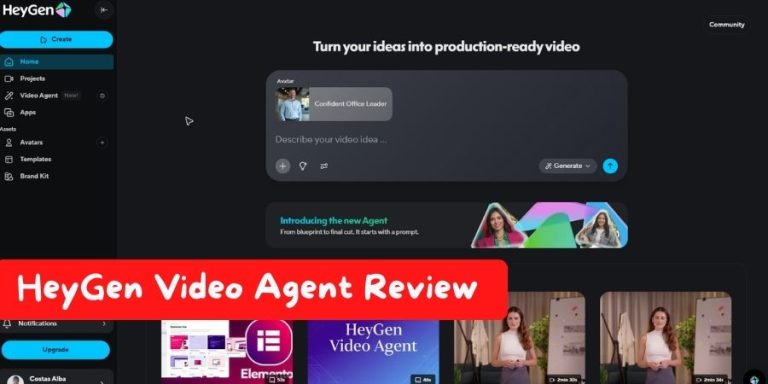
Сайт HeyGen Video Agent - это система, управляемая искусственным интеллектом, предназначенная для создания полноценных видеороликов на основе простой текстовой подсказки. Она была перестроена с нуля, чтобы выйти за рамки автоматизации отдельных функций и управлять всем творческим процессом.
Вместо того чтобы просить пользователей вручную составлять графики, видеоагент интерпретирует намерения. Пользователь описывает, что ему нужно - объяснение продукта, обучающее видео, ролик для социальных сетей или корпоративное объявление, - а система делает все остальное.
Основные возможности включают в себя автоматическое написание сценария, озвучку, созданную искусственным интеллектом, представление на основе аватара, выбор визуального ряда и сцен, графику движения, переходы и темп. Эти элементы не создаются по отдельности. Они координируются для создания целостного финального видео, которое кажется намеренно созданным, а не механически собранным.
Такой подход превращает создание видео из технической задачи в концептуальную. Основная обязанность пользователя - четко донести идею. Агент переводит эту идею в аудиовизуальную форму.
Переосмысленный рабочий процесс для создания видео
Одна из самых значительных инноваций Video Agent заключается в том, как она структурирует творческий процесс. Вместо того чтобы сразу генерировать визуальные образы, система сначала создает полный план видео. В этом чертеже описывается ход повествования, структура сцен, визуальный стиль и общее направление.
Показывая план заранее, пользователи получают ясность и контроль еще до начала визуализации. Они могут корректировать тон, длину, структуру или акценты на ранних этапах, сокращая необходимость в трудоемком пересмотре впоследствии. Это отражает работу опытных творческих команд, которые начинают с раскадровок и набросков, прежде чем приступить к производству.
После утверждения агент переходит к исполнению. Он генерирует сценарии, подбирает или создает визуальные эффекты, назначает закадровый голос и применяет графику движения в едином скоординированном процессе. В результате получается отшлифованный проект, который при необходимости может быть доработан.
Контроль без сложностей
Распространенной проблемой, связанной с контентом, созданным искусственным интеллектом, является потеря творческого контроля. HeyGen Это решает проблему, позволяя пользователям тонко настраивать выходы, не возвращаясь к традиционным сложностям редактирования.
Моушн-графика, создаваемая Видеоагентом, полностью редактируема. Пользователи могут настраивать цвета, макеты, размещение текста и время, чтобы привести их в соответствие с рекомендациями бренда или личными предпочтениями. Визуальные стили можно определить один раз и последовательно применять ко всему видео или серии видео, что упрощает поддержание целостного фирменного стиля.
Платформа также поддерживает различные режимы взаимодействия. Одни пользователи предпочитают обходиться без рук, позволяя агенту генерировать все автоматически. Другие хотят просматривать и утверждать каждый шаг. Видеоагент учитывает оба предпочтения, поэтому он подходит как для новичков, так и для опытных создателей.
Как работает видеоагент на практике
Типичный рабочий процесс начинается с подсказки. Это может быть одно предложение, описывающее желаемое видео, например объяснение продукта, обучающий модуль для сотрудников или ролик в социальных сетях на актуальную тему.
На основе этой подсказки агент генерирует сценарий и план по сценам. Пользователь просматривает и при необходимости редактирует этот план. Далее система подбирает аватары, голоса и визуальные элементы, соответствующие тону и аудитории.
После создания видео можно просмотреть его как законченный фрагмент. Если необходимо внести коррективы, пользователь может изменить определенные элементы, не начиная работу с нуля. После этого готовое видео можно экспортировать в форматы, подходящие для различных платформ.
То, что раньше требовало нескольких дней или недель слаженной работы, теперь можно сделать за считанные минуты.
Почему это представляет собой смену парадигмы
Традиционные инструменты для редактирования видео основаны на временной шкале. Они предполагают, что пользователи будут вручную собирать клипы, аудио и эффекты. Эта модель оставалась неизменной на протяжении десятилетий.
Видеоагент заменяет временные рамки намерениями. Вместо того чтобы спрашивать, как редактировать, он спрашивает, что вы хотите донести до зрителя. Этот сдвиг отражает изменения, наблюдаемые в других творческих областях, таких как писательство и дизайн, где инструменты искусственного интеллекта теперь помогают в составлении, верстке и разработке идей.
Абстрагируясь от технических сложностей, Video Agent демократизирует процесс создания видео. Люди, у которых раньше не хватало навыков или бюджета для создания профессионального видео, теперь могут делать это самостоятельно. В то же время профессионалы могут значительно увеличить объем выпускаемой продукции без ущерба для качества.
Применение в реальном мире в различных отраслях промышленности
Гибкость видеоагента делает его полезным в самых разных контекстах.
В маркетинге команды могут создавать несколько версий рекламы или рекламных видеороликов, предназначенных для разных аудиторий или платформ. Это обеспечивает быстрое тестирование и итерации без дополнительных затрат на производство.
В сфере образования и обучения преподаватели могут быстро и последовательно создавать обучающие видеоролики, материалы для введения в должность и модули по соблюдению нормативных требований. Обновления можно легко вносить, не переснимая целые сегменты.
Создатели социальных сетей выигрывают от возможности быстро реагировать на тенденции, создавая своевременный контент без ущерба для качества. Возможность генерировать множество вариаций также способствует экспериментам и анализу аудитории.
В организациях внутренняя коммуникация становится более увлекательной, если она осуществляется с помощью видео. Обновления от руководства, разъяснения политики и объявления компании могут быть переданы четко и наглядно, что улучшает понимание и удерживает сотрудников.
Предприятия электронной коммерции могут демонстрировать продукты с помощью видеороликов с объяснениями, которые подчеркивают особенности и преимущества, помогая небольшим брендам конкурировать с крупными игроками, которые традиционно доминировали в видеорекламе.
Ограничения и этические соображения
Несмотря на сильные стороны, видео, созданное искусственным интеллектом, не лишено недостатков. Творческие нюансы иногда могут быть утеряны, если подсказки расплывчаты или слишком широки. Пользователям может потребоваться доработка выходных данных, чтобы они соответствовали конкретным стилистическим или эмоциональным целям.
Также существуют этические соображения, связанные с использованием реалистичных аватаров и синтетических голосов. Ответственное использование очень важно для предотвращения дезинформации или злоупотреблений. Такие платформы, как HeyGen В то же время пользователи должны помнить о том, как контент, созданный искусственным интеллектом, представляется и контекстуализируется.
Кроме того, несмотря на то, что видеоагент отлично справляется с функциональным, информационным и рекламным контентом, кинематографические или экспериментальные проекты все же могут выиграть от традиционных методов производства и человеческого артистизма.
ИИ как творческий партнер
Появление таких инструментов, как Video Agent, отражает более широкую тенденцию интеграции искусственного интеллекта в творческие рабочие процессы. ИИ не заменяет творчество, а все чаще выступает в роли соавтора. Он решает повторяющиеся и технические задачи, позволяя людям сосредоточиться на идеях, повествовании и стратегии.
Эта модель партнерства предполагает будущее, в котором творческая отдача увеличивается не потому, что люди больше работают, а потому, что они освобождаются от ограничений. Создание видео становится более быстрым, доступным и итеративным.
Начало работы с Видеоагентом
Использование Видеоагента не требует предварительного опыта редактирования видео. Пользователи начинают с создания учетной записи, входа в интерфейс "Видеоагента" и ввода запроса. После этого система проведет их через планирование, создание, просмотр и экспорт.
По мере того как пользователи набираются опыта, они могут совершенствовать свои подсказки и стили для достижения более конкретных результатов. Со временем агент становится надежным продолжением замысла создателя.
Заключение: Переосмысление создания видео
HeyGen’Video Agent представляет собой значительный шаг вперед в эволюции создания цифрового контента. Объединяя сценарий, голос, визуальные эффекты, моушн-графику и монтаж в единый рабочий процесс, управляемый искусственным интеллектом, он по-новому определяет, что значит создавать видео.
Этот сдвиг имеет глубокие последствия. Он снижает барьеры, ускоряет производство и обеспечивает новые формы коммуникации в масштабе. Для предприятий, преподавателей, создателей и организаций он открывает дверь в будущее, где видео больше не будет узким местом, а станет средством коммуникации по умолчанию.
По мере развития искусственного интеллекта такие инструменты, как Video Agent, будут определять не только способы создания видео, но и способы обмена идеями. В этом смысле Video Agent - это не просто новый продукт, это взгляд в будущее творческой работы как таковой.