Оглавление
- Введение
- 1. MovieReelAI: Hollywood-Quality Outputs from Text Prompts
- 2. Pre-Made Templates: Speeding Up Production
- 3. Voiceover Generation: AI Narration at Scale
- 4. Style Library: From Cinematic to Anime in Minutes
- 5. Scene-Level Control: Lighting, Weather, and Camera Movements
- 6. Commercial License Advantage: Monetize Your AI Videos
Введение
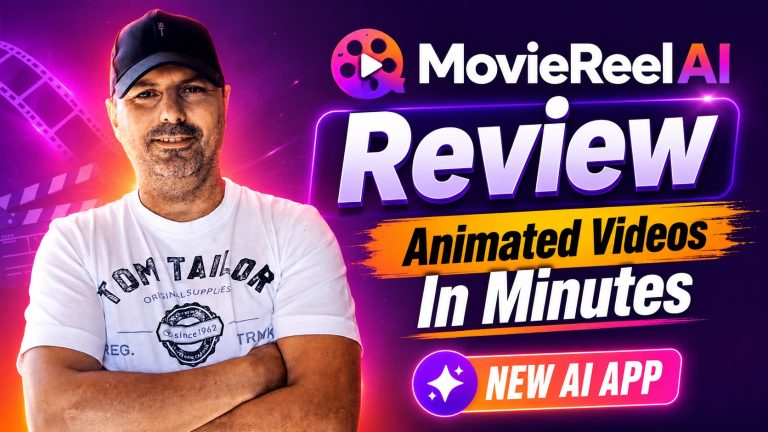
You’re building marketing, sales, or social media videos, and the process can feel slow. MovieReelAI offers a faster route by turning text into cinema quality animated videos with a commercial license included. That combination matters when you need content you can deploy in a business setting.
We focus on practical outcomes you can expect. How well the platform translates prompts into scenes, how easy it is to control mood and style, and where the real value shows up for teams with tight deadlines and modest budgets. This isn’t a hobbyist tool; it’s an AI-powered creator designed for speed, consistency, and monetization.
Key questions we ask: Can you go from script to storyboard to finished video without heavy editing? Do the built in templates, voices, and style options hold up across formats like social snippets and full explainer videos? And does the commercial license remove friction so you can publish and monetize without extra fees?
- Core promise: transform ideas into ready-to-publish AI videos in minutes rather than weeks.
- Commercial rights included by default, simplifying business use and client projects.
- Variety of styles and scene controls designed for marketing and storytelling.
In short, this introduction sets the stage for a deeper look into how MovieReelAI handles text to video, the breadth of its style library, and what that means for your business workflows and monetization goals. We’ll connect the dots between features and real world outcomes so you can decide if it fits your team’s needs.
1. MovieReelAI: Hollywood-Quality Outputs from Text Prompts
MovieReelAI converts simple text into cinematic animated videos with minimal editing. Start from your script and generate scenes, actions, and transitions that feel polished from the first render.
2. Pre-Made Templates: Speeding Up Production
Template libraries for different industries and styles
MovieReelAI offers a broad library of ready-to-use templates crafted for various sectors and creative directions. These templates set the pace, mood, and visual language you need without starting from scratch. They align with common marketing formats, social snippets, and template libraries for different industries and styles, helping you hit standard runtimes and aspect ratios with confidence.
Templates span multiple genres and aesthetics, from corporate explainers to more stylized presentations. Each option provides predefined scenes, transitions, and camera cues that you can customize further. This structure supports consistency across a campaign or brand family while saving hours in setup time.
Choosing the right template for your message
Begin by matching the template to your core objective: brand introduction, product demo, or customer story. Templates follow typical storytelling arcs, so choose one that mirrors your desired flow. If your message focuses on a problem-solution narrative, pick a template with a clear problem framing and a fast-resolution beat.
Also consider platform and format requirements. Templates often include presets optimized for social feeds, captions, or longer explainers. Selecting the right template reduces later adjustments and ensures your video communicates clearly from the first frame.
In practice, you can swap backgrounds, assets, and text within the template while preserving the intended timing. This balance of structure and flexibility speeds up production without sacrificing polish.
3. Voiceover Generation: AI Narration at Scale
Creating multiple accents and tones without recording
MovieReelAI offers AI-generated voices that cover a range of accents and tonal options. Switch between styles to match characters, brands, or regional audiences without hiring voice actors or organizing recording sessions.
This capability speeds narration for different languages or for testing which voice fits a scene best. It also helps you scale projects, producing multiple voice tracks from a single script.
Practical steps you can take now include: establishing a baseline voice profile for key characters, then applying variations for mood shifts such as urgency, warmth, or skepticism. Use sample scripts to preview how each accent lands in context. For multi-language work, draft a master script and generate localized narrations to compare pacing and pronunciation. Keep a style sheet that notes preferred inflections, pace, and diction to maintain consistency across episodes.
Real-world scenario: a 90-second product explainer needs three voice options to test audience response. Generate voices with different tones, compare them against the same animation, and gather quick viewer feedback. Slight tonal changes can influence recall, so consider a regional variant to gauge resonance with local audiences before final cuts.
for highly technical content, avoid dramatic delivery that masks details. Some voices may mispronounce acronyms or brand names; pretrain those terms in the voice model and review pronunciations in the final pass. Export audio in multiple bitrates to support different distribution pipelines.
How this ties to practical video production: create and sell videos without restrictions, then lock a primary voice for narration and reserve secondary voices for on-screen text or captions. The approach can reduce risk and speed approvals without extra recording budgets.
Synchronizing voiceover with animated scenes
Voices are designed to align with the timeline of your animations. The platform pairs spoken lines with corresponding actions, helping pacing feel natural and keeping visuals in sync with narration.
Fine-tune timing during editing, adjusting where lines land relative to transitions or character movements. This supports clarity and impact across short social clips or longer explainers.
4. Style Library: From Cinematic to Anime in Minutes
How style transforms maintain consistency across scenes
The style library lets you apply a chosen visual language to every element of your project. Once you select a style, all scenes, characters, and environments adapt to the same color palette, lighting logic, and motion aesthetics. This ensures a cohesive look from the first frame to the last.
Styles affect more than just appearance. They influence camera behavior, texture details, and even how shadows read on different surfaces. With a single switch, you preserve narrative rhythm while maintaining brand or story identity across multiple scenes.
When to combine styles for a cohesive look
Combining styles can help you tell a more nuanced story without fragmenting the visuals. Use a primary style for the overall mood and overlay a secondary style to highlight key moments or transitions. This approach creates visual hierarchy while keeping scenes connected.
Creative teams often blend styles at strategic points, such as a dramatic shift in tone or a shift from exposition to action. Pairing styles thoughtfully can emphasize scale, pace, or emotion without requiring a full redesign of assets.
| Use case | Recommended approach | What it achieves |
|---|---|---|
| Product launch explainer | Primary cinematic with subtle comic relief micro-styles for UI elements | Professional tone with approachable moments |
| Action trailer | Core anime or high-contrast cinematic style with brief cyberpunk accents | Intense pace and visual punch |
| Corporate training clip | Consistent 3D model style across scenes, minimal embellishments | Clear, focused messaging |
Совет: Test combinations on a short sequence first to ensure the blend supports the story rather than distracting from it.
5. Scene-Level Control: Lighting, Weather, and Camera Movements
Crafting mood with location, lighting, and weather
Fine tune each shot by selecting location settings, lighting schemes, and weather conditions. This level of control helps you establish the exact mood for every moment, from warm sunlight for a friendly intro to moody shadows for a drama beat.
Adjust elements like time of day, light intensity, and color temperature to match the scene’s emotional arc. The result is visuals that feel intentional and support storytelling and audience immersion.
Applying professional camera movements to shots
Beyond static framing, the platform supports camera moves that elevate pacing and engagement. Choose parallax pans, dolly tracks, or subtle zooms to guide viewer attention without overpowering the scene.
Each movement stays aligned with the chosen style, ensuring transitions between shots remain smooth and the sequence maintains momentum.
- Scene-ready lighting presets that align with your color palette
- Weather options that influence atmosphere and texture
- Camera moves calibrated to scene length and rhythm
| Element | What you control | Impact on video |
|---|---|---|
| Расположение | Environment, backdrop, depth cues | Sets credibility and mood |
| Lighting | Intensity, color temperature, shadows | Defines tone and visual clarity |
| Weather | Fog, rain, wind effects | Enhances realism or stylization |
| Camera movements | Pans, tilts, dolly, zooms | Controls pacing and viewer focus |
6. Commercial License Advantage: Monetize Your AI Videos
Understanding commercial rights for every video
You receive a commercial license with every video, enabling use for business, marketing, social media, and monetization without separate permissions. This streamlines your workflow and speeds from idea to publish-ready content.
The license is included by default, so you won’t need a separate agreement for client work or internal campaigns. Rights cover multi‑platform use, allowing you to adapt the same video for ads, landing pages, or social feeds without re-approvals.
Monetization strategies without licensing hassles
- Sell finished videos to clients or agencies as turnkey content packages.
- Bundle videos with campaigns for higher‑margin marketing services.
- Repurpose a single video into shorter clips for social ads, expanding inventory without extra licensing fees.
- Offer white‑label versions to partners who need quickly deployable visuals.
| Aspect | What it means | Practical impact |
|---|---|---|
| License scope | Commercial rights included for every video | Faster go-to-market and fewer admin steps |
| Platform reach | Use in marketing, social, ads, and client projects | Maximized distribution without friction |
| Ownership clarity | Clear rights aligned with production output | Better risk management for teams and agencies |
In practice, this setup lets you experiment with formats and lengths without worrying about extra fees. You can test different storytelling approaches, then scale the ones that perform best across channels and clients.